| ||||||||
|
I’m excited to share a set of mobile apps I’ve recently completed and published on both the Google Play Store and the Apple App Store. These apps are designed with a simple goal in mind: to make meaningful, structured content more accessible, whether you’re studying theology or improving your English vocabulary. 📱 Now Available on Both Platforms All apps are live and available for download: Google Play Developer Page: https://play.google.com/store/apps/dev?id=5835943159853189043 Apple App Store Developer Page: https://apps.apple.com/ca/developer/q-z-l-corp/id1888794100 📖 Theology & Confession Study Apps For those interested in Reformed theology and classical Christian teachings, I’ve developed a series of apps that present foundational texts in a clean, focused reading format: The Belgic Confession Canons of Dort Heidelberg Catechism Westminster Shorter Catechism Each app is designed to provide a distraction-free experience, making it easier to read, reflect, and revisit these im...

How to Prepare the body of a multipart request in Sprint Boot
- Get link
- X
- Other Apps
By
Errong Leng
-
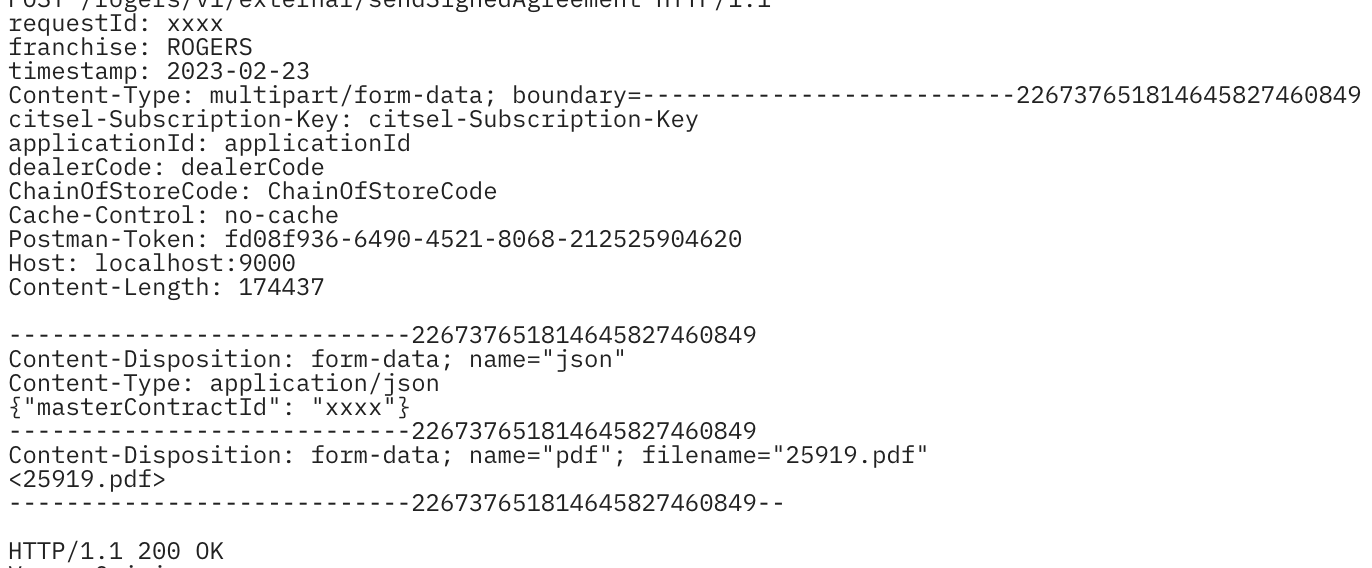
Prepare the body of a multipart request, resulting in a MultiValueMap<String, HttpEntity>. Parts may be concrete values or via asynchronous types such as Reactor Mono, Flux, and others registered in the ReactiveAdapterRegistry. This builder is intended for use with the reactive WebClient. For multipart requests with the RestTemplate, simply create and populate a MultiValueMap<String, HttpEntity> as shown in the Javadoc for FormHttpMessageConverter and in the reference docs. use MultipartBodyB
| |
❤️ Support This Blog
If this post helped you, you can support my writing with a small donation. Thank you for reading.
- Get link
- X
- Other Apps
Popular Posts
Cross compile tensorflow for armv7l targets via bazel
By
三好Daddy
-
2026 Begins: Choosing to Stay on the Path as a Blogger
By
Errong Leng
-
Today is January 1st, 2026 . Before rushing into new goals, I spent some time looking back at the past 12 months of data for this blog — the quiet numbers that tell a very honest story. Looking Back at the Numbers Over the past year: 📈 Total views: ~44,600 👀 Daily average visits: ~200 💬 Comments: 19 💰 AdSense income: about $0.01 per month At first glance, these numbers may look small — especially the income. But when I zoom out, I see something more meaningful. This blog has been quietly read every single day . No viral posts. No aggressive promotion. No paid traffic. Just consistent readers arriving through search, bookmarks, and curiosity. That consistency matters. What the Traffic Graph Tells Me The graph over the last 12 months shows something important: Early months were quiet and uneven Mid-year brought steady growth Toward the end of the year, traffic became more stable , with clear spikes when certain posts resonated This tell...
Health Checks and Scaling Strategies for Next.js in Kubernetes
By
Errong Leng
-
Health Checks and Scaling Strategies for Next.js in Kubernetes This is Part 6 and the final post of the series: Self-Hosting Next.js in Kubernetes (Without Vercel) . At this point, your Next.js standalone app: Builds cleanly Runs in a minimal Docker image Deploys correctly on Kubernetes / OpenShift Serves static assets properly Uses runtime configuration and secrets Now let’s make it resilient and scalable . Why Health Checks Matter Kubernetes relies on health checks to: Know when a pod is ready to receive traffic Restart unhealthy containers Safely roll out new versions Without proper probes, traffic can be sent to a pod that isn’t ready yet. Readiness Probe A readiness probe tells Kubernetes: “This pod can accept traffic.” For most Next.js apps, the root path works well: readinessProbe: httpGet: path: / port: 3000 initialDelaySeconds: 10 periodSeconds: 5 If your app depends on downstream services (APIs, d...


Comments
Post a Comment